trypo
philia
The opposite of a fear. Fifty-three openings, made in the dark in June 2023 and never shown until now.
This site is full of holes. Clustered, deep, wet, close together.
Roughly one person in six finds that kind of image hard to look at. If your skin is already crawling, this is the moment to leave.
If it did the opposite —
no thank you
The opposite of a fear. Fifty-three openings, made in the dark in June 2023 and never shown until now.
Some people see a cluster of holes — a lotus seed head, a honeycomb, the back of a Surinam toad — and their skin tightens. It has a name now, trypophobia, and a small serious literature: the images share a spectral signature with venomous animals, or they look like something infected, and an old part of the brain says away.
Some of us feel the exact same tug and lean in. A pallet of terracotta pipes seen end-on. A crate of empty sake bottles, every mouth pointed at you. Wax gone soft and pocked. The pleasure is in the multiplicity and the address: many openings, all facing you, all asking.
That disposition has no proper name and no literature at all. This is a small home for it.
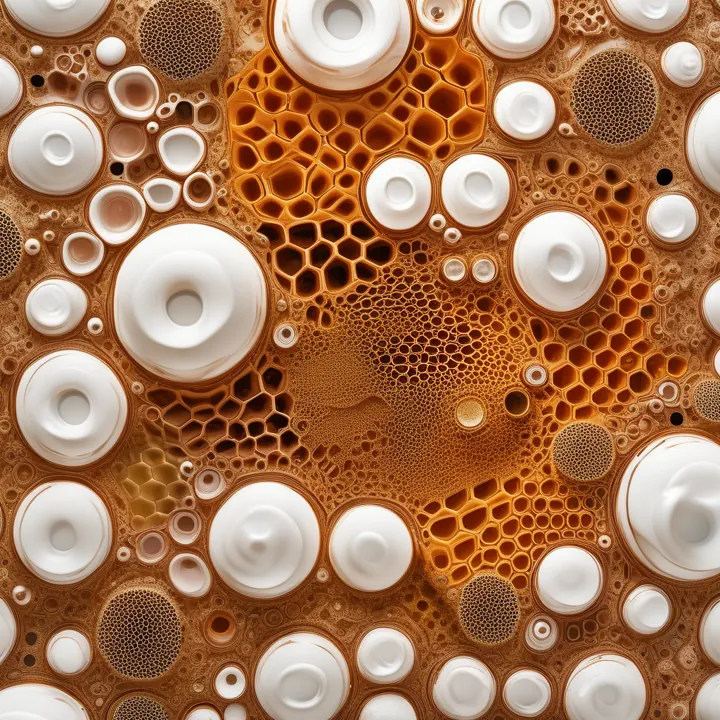
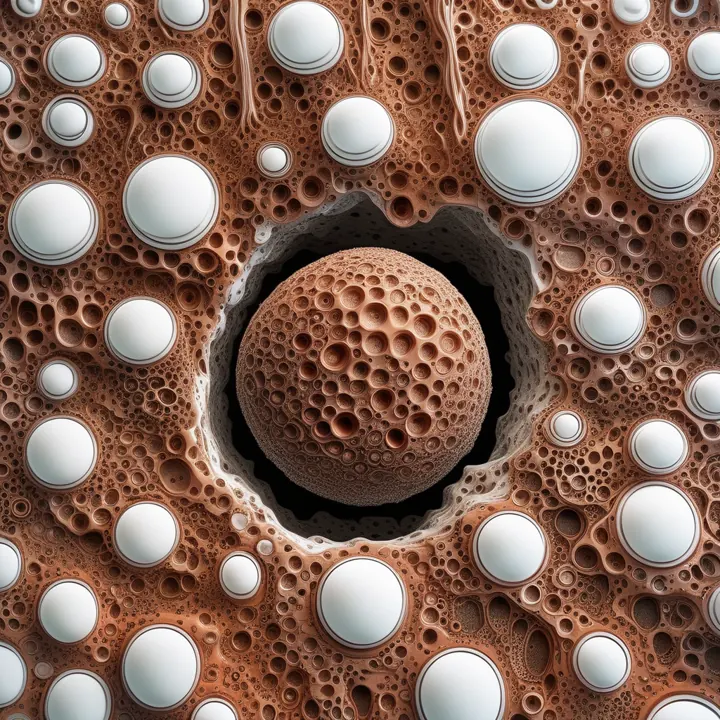
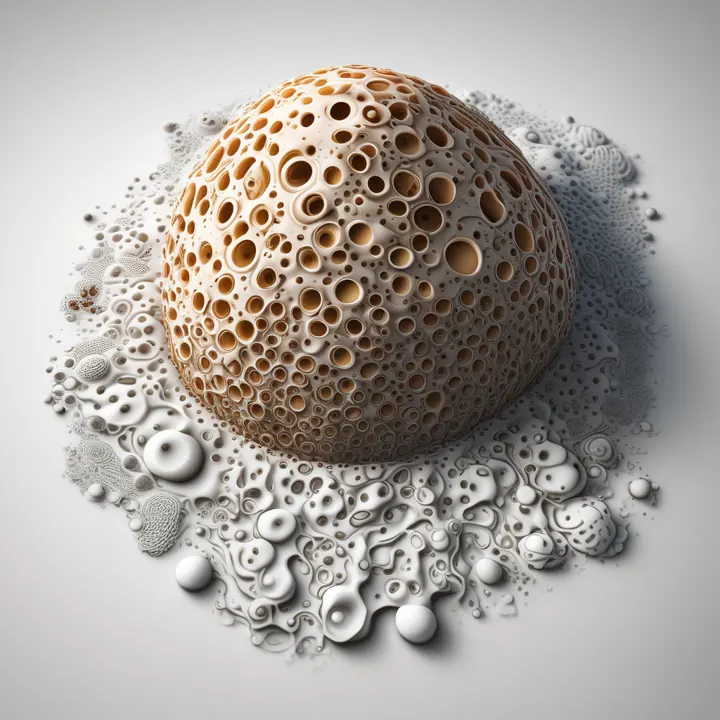
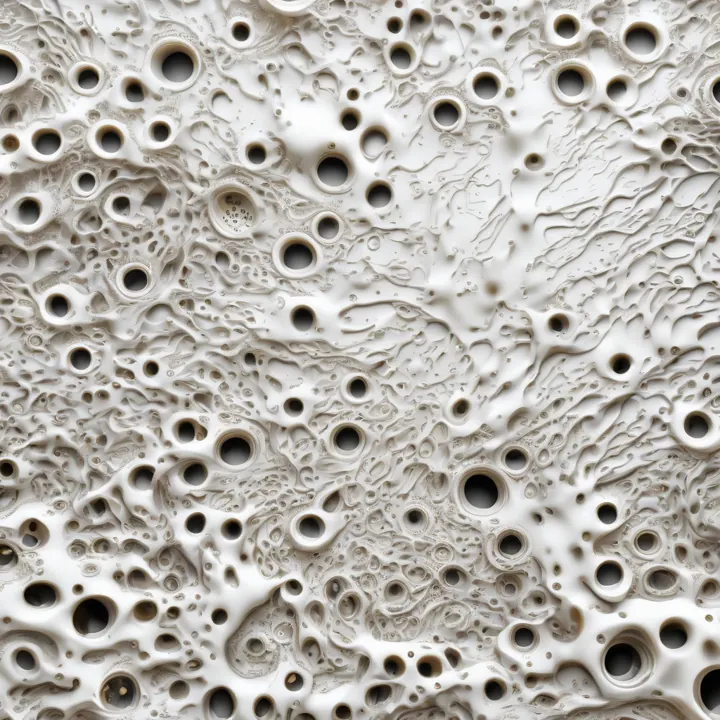
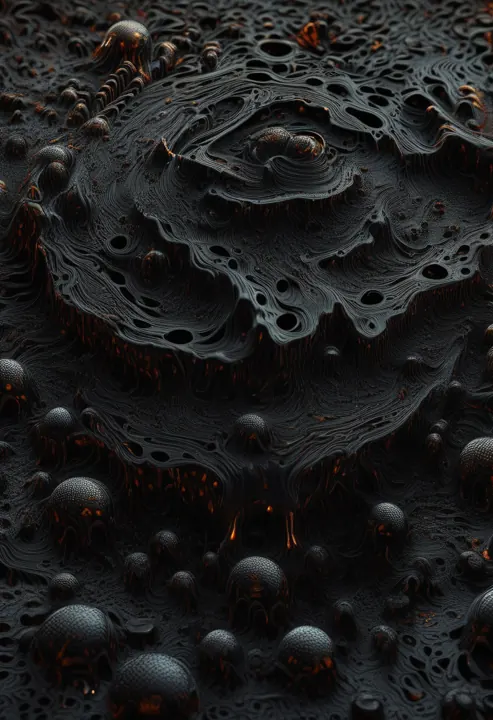
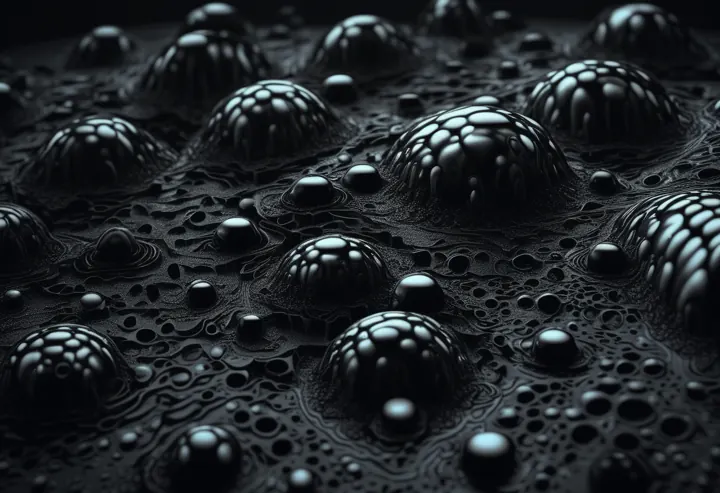
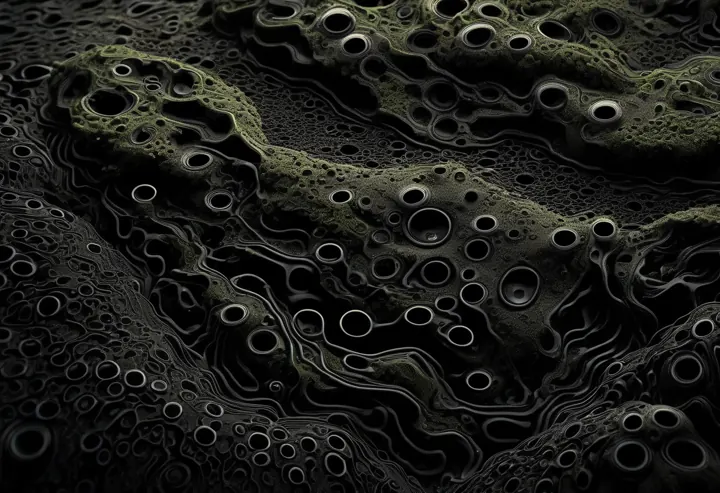
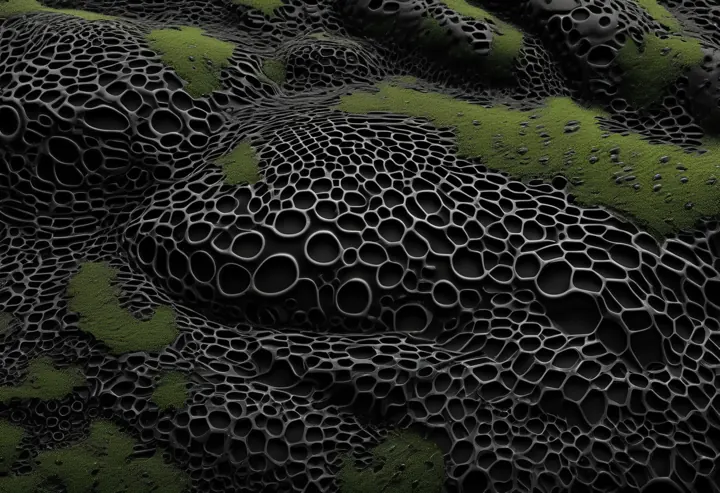
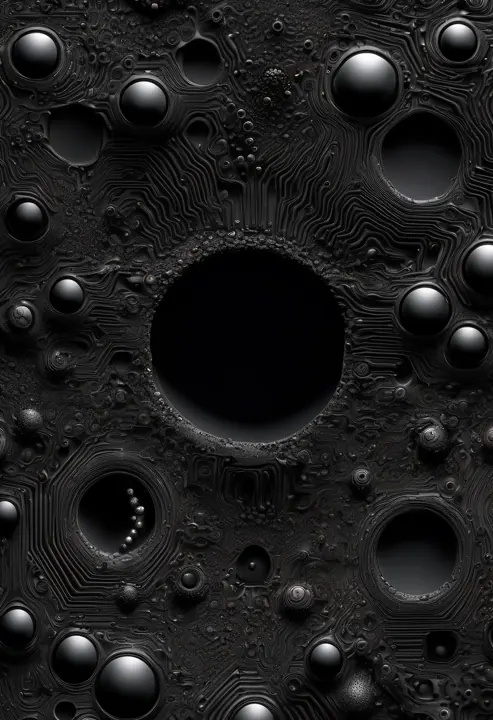
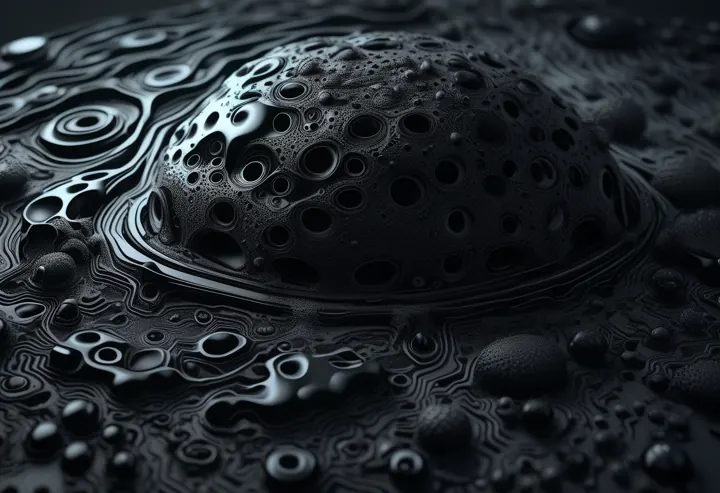
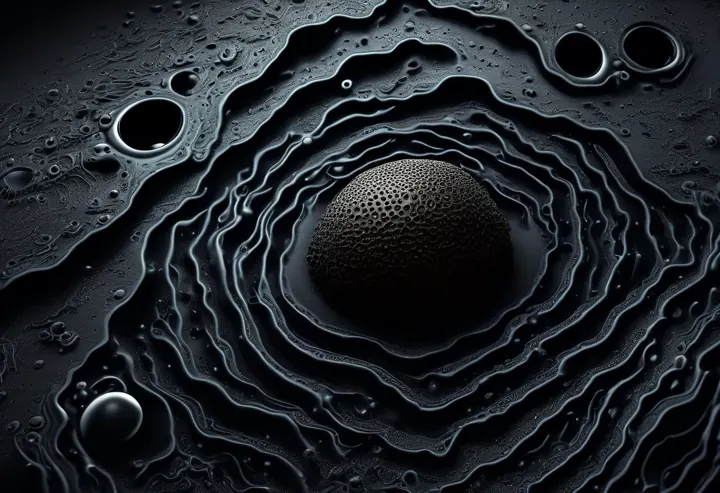
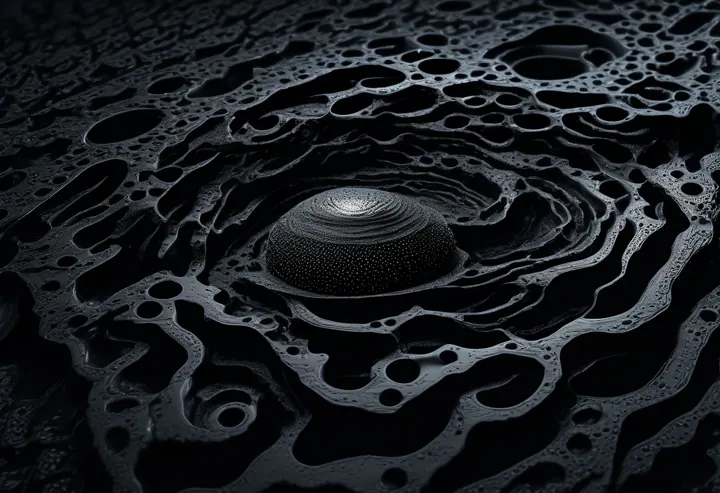
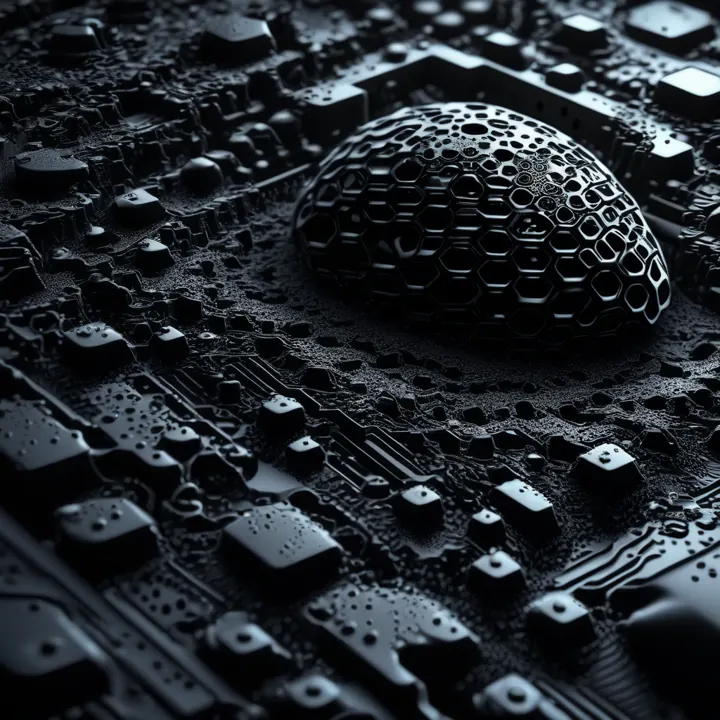
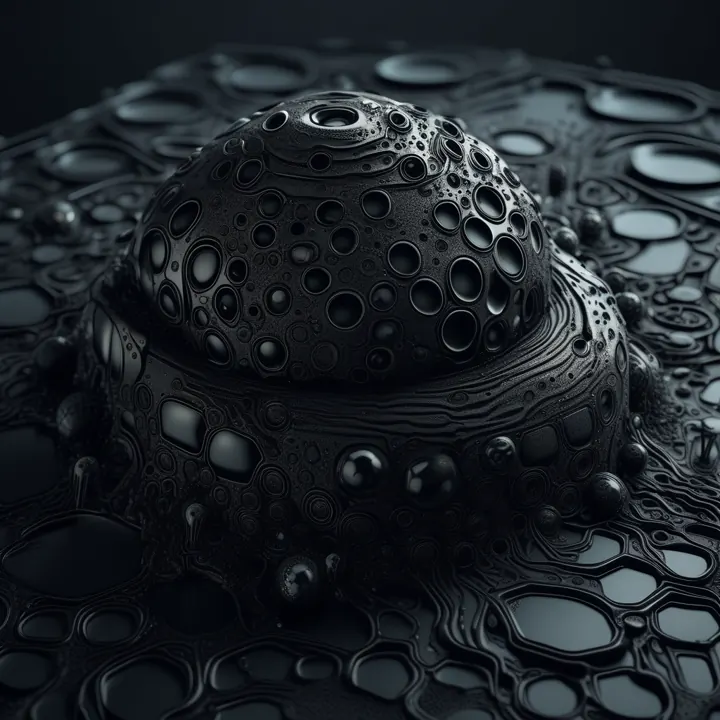
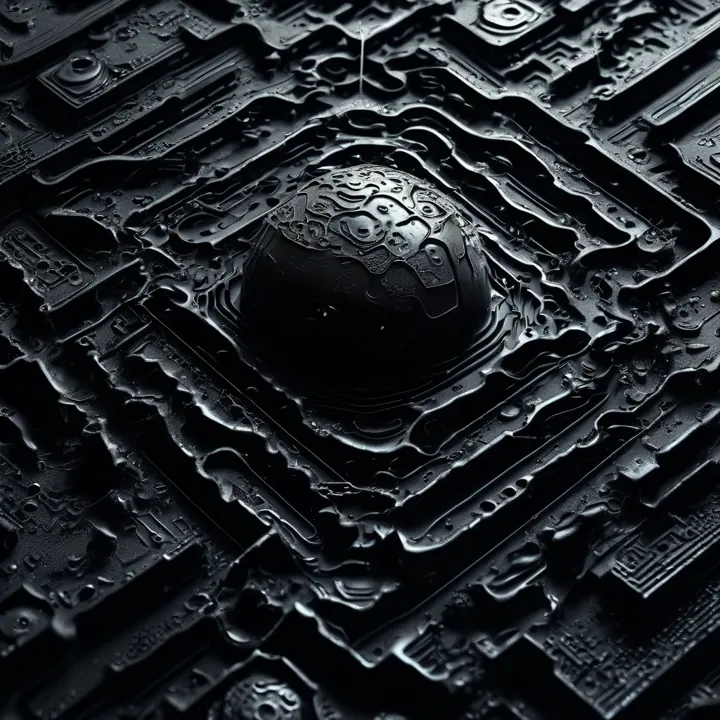
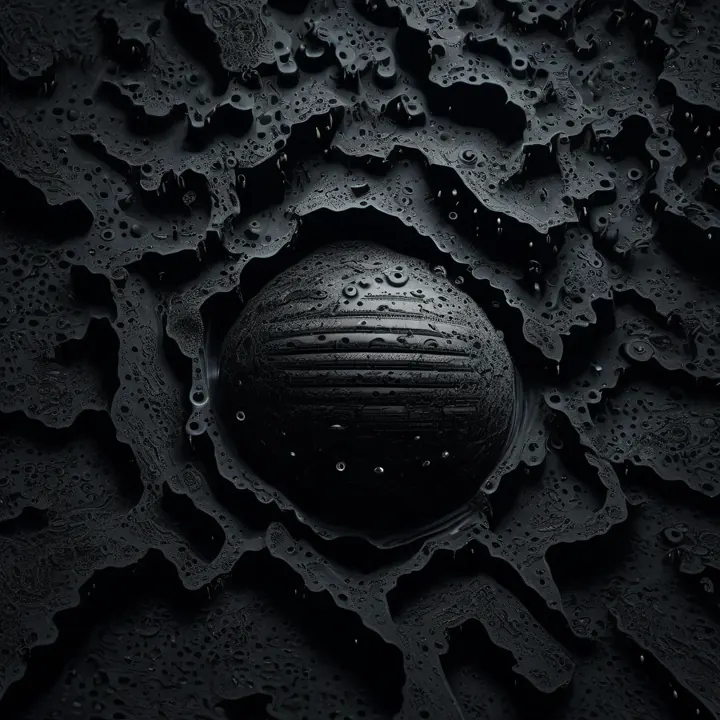
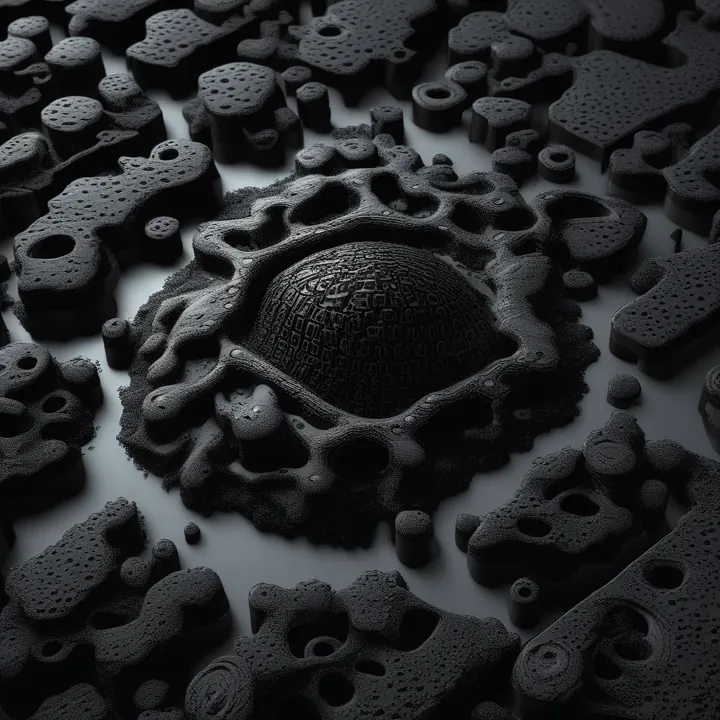
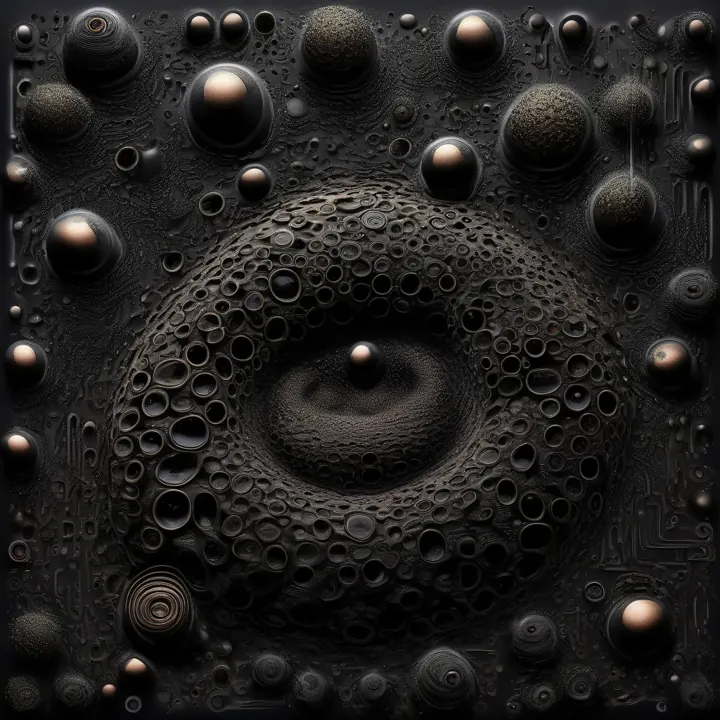
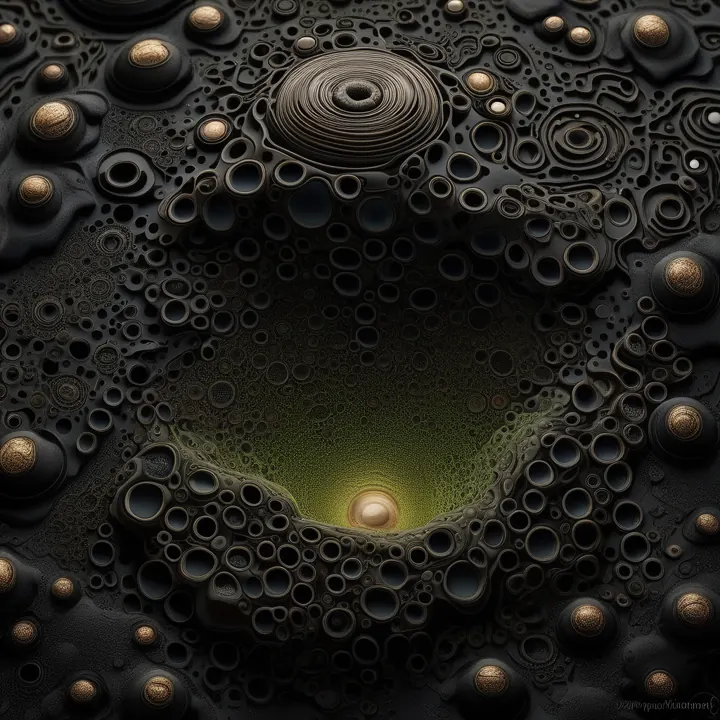
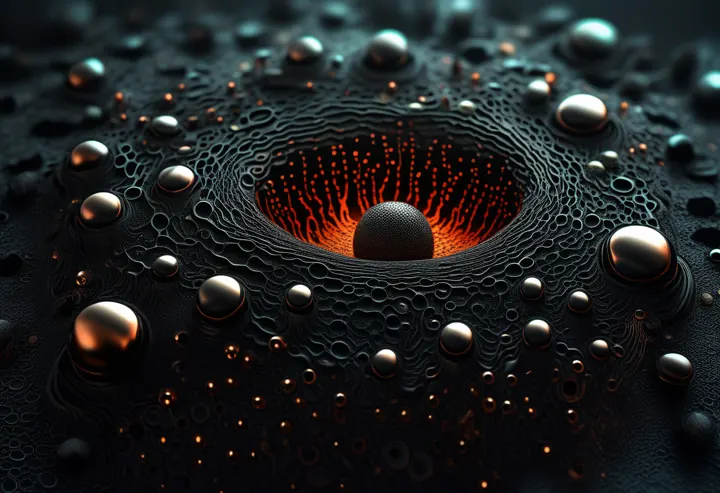
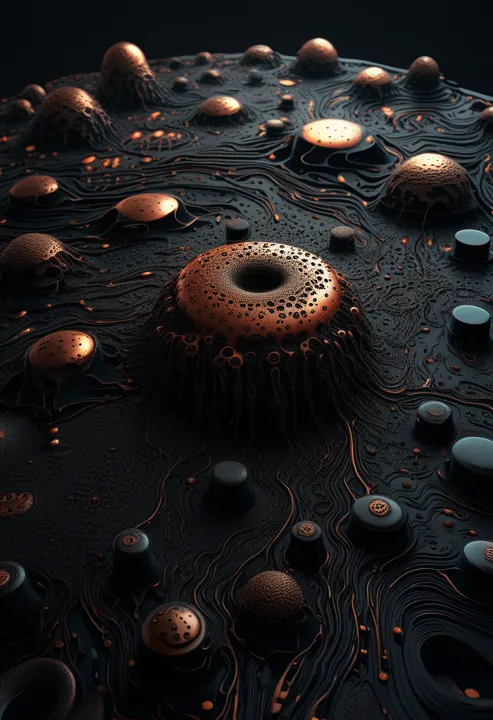
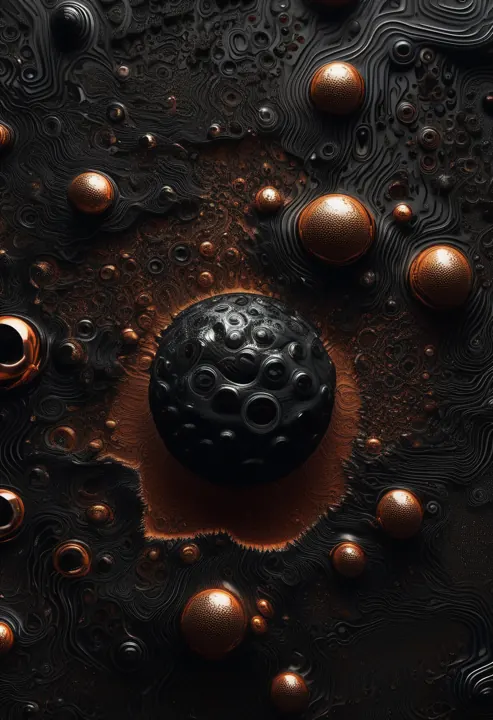
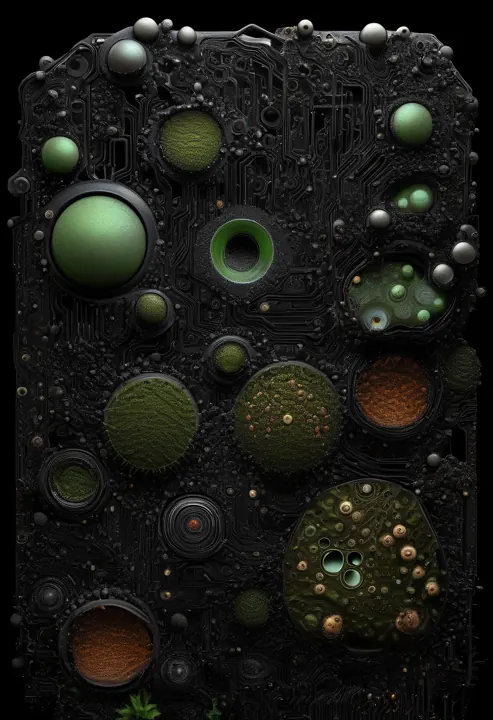
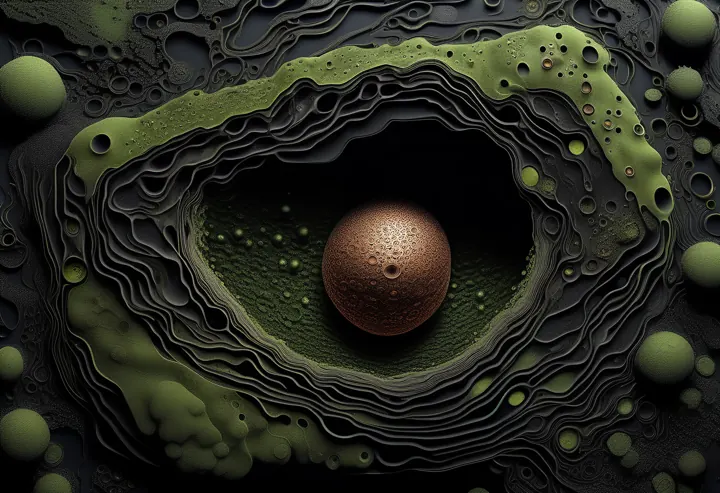
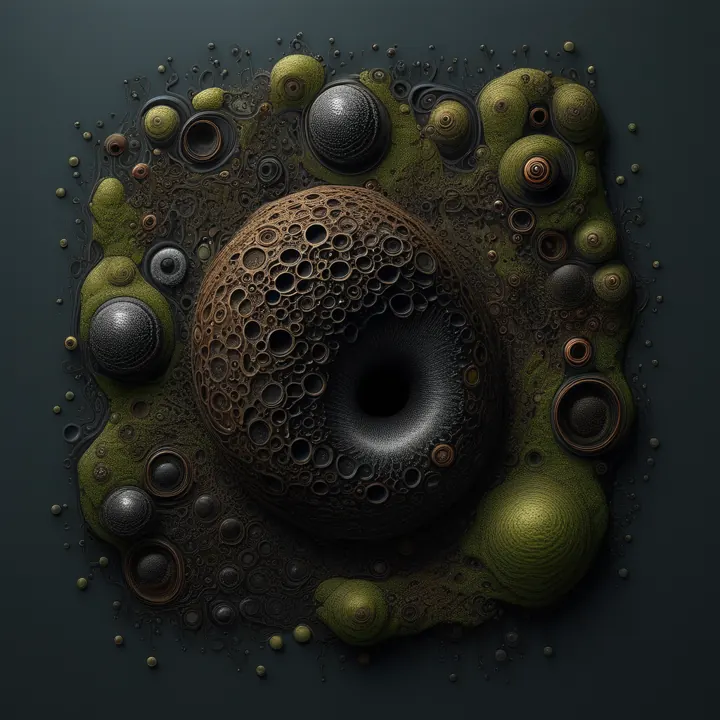
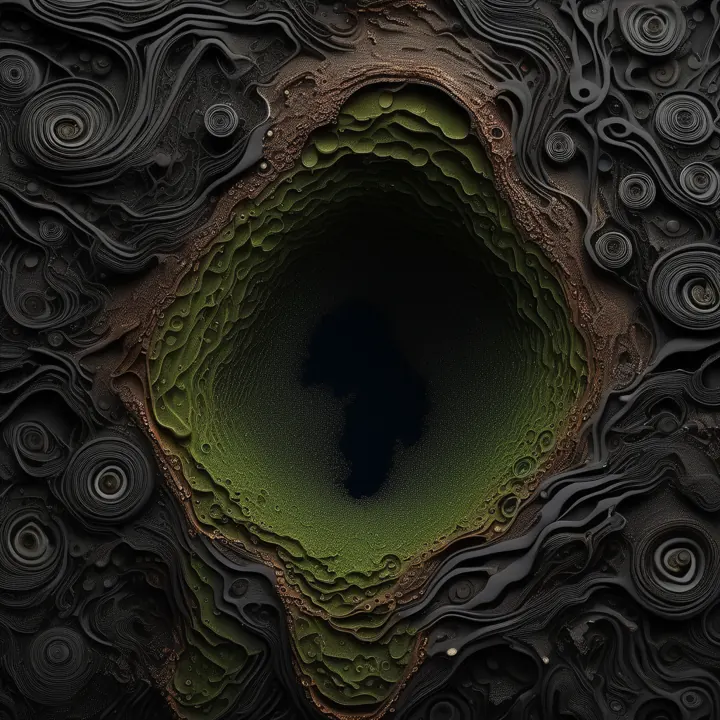
The images were made with a diffusion model in the first week of June 2023, from one long prompt that kept mutating: black, hyperrealistic, asymmetrical, neural, electron microscope, fractal holes, beehive, drips, melting, sensual, wax. What came back was a material that doesn't exist — part circuit board, part coral, part cooled sugar — and it is, if you are built this way, very hard to stop looking at.
On the science: Cole & Wilkins, “Fear of Holes”, Psychological Science 2013; Kupfer & Le, “Disgusting clusters”, Cognition and Emotion 2018. Hover to look closer. Click to fall in.
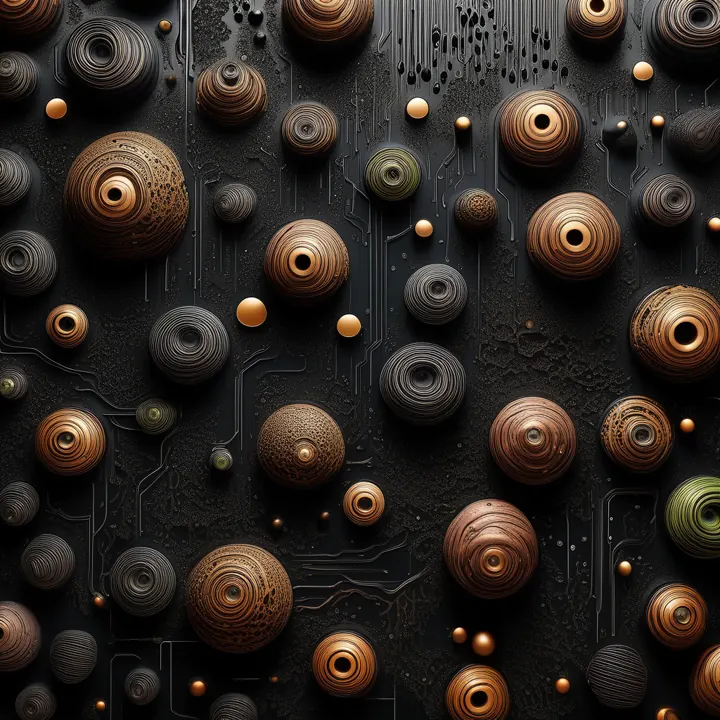
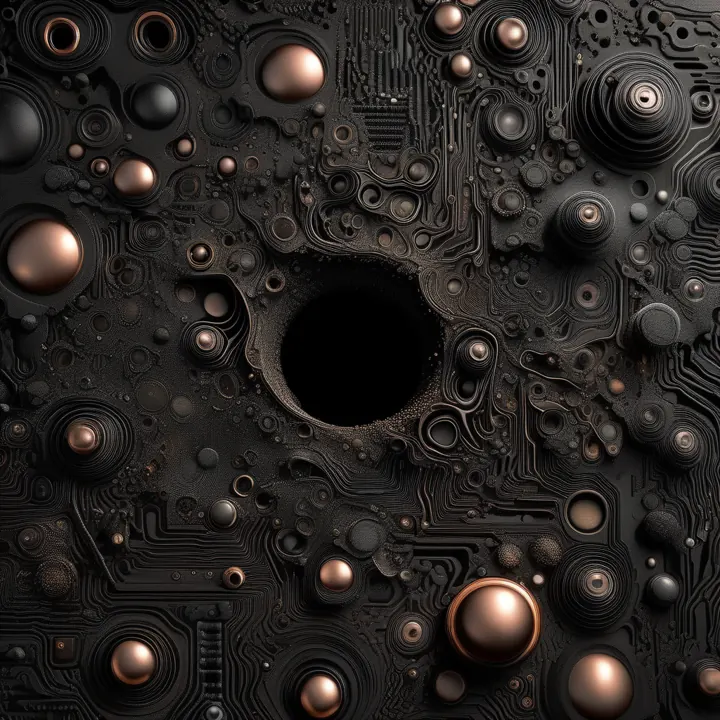
Fields with no centre. The eye has nowhere to rest and does not want one.
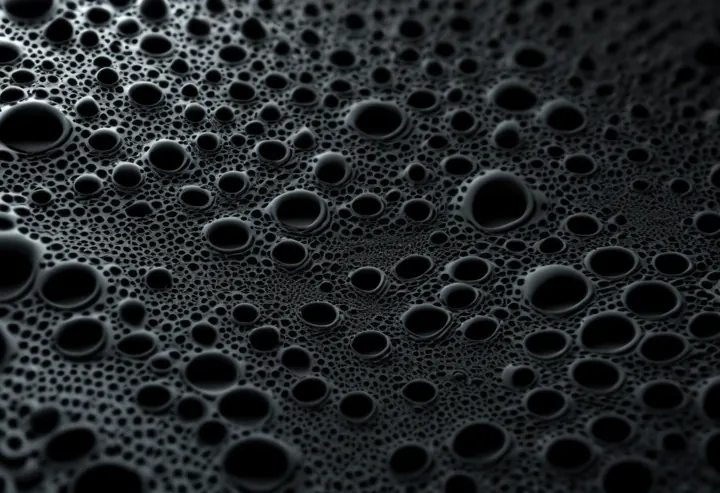
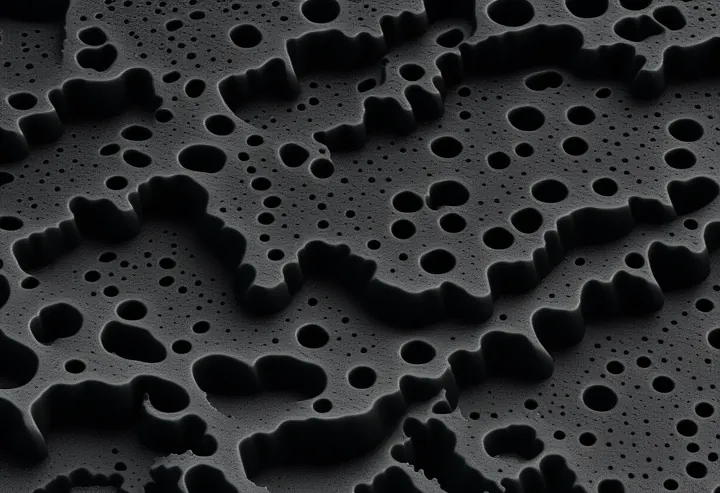
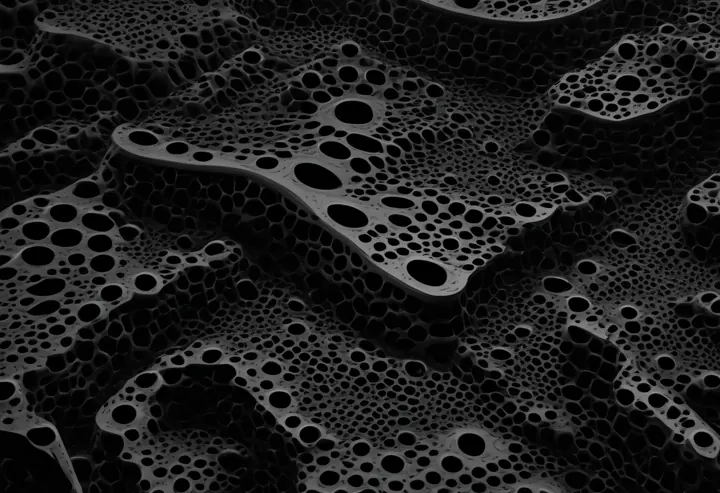
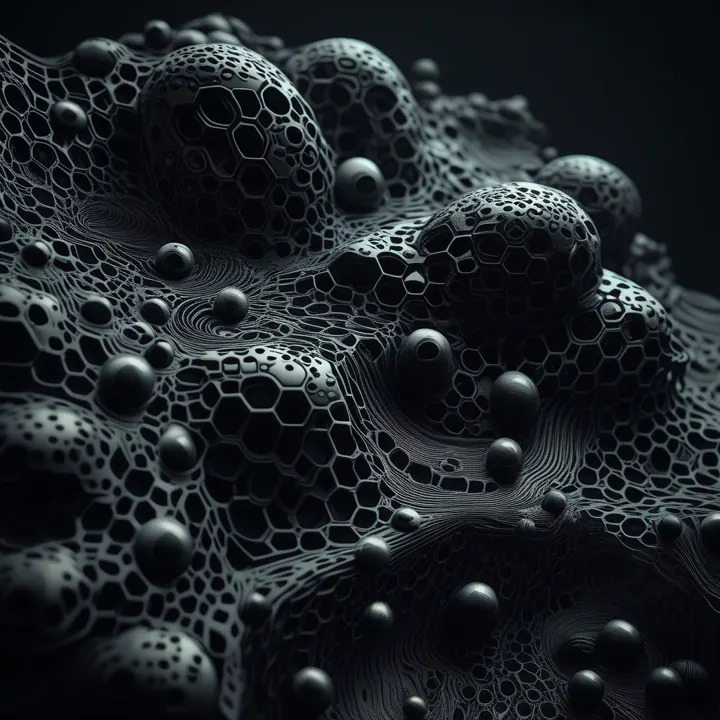
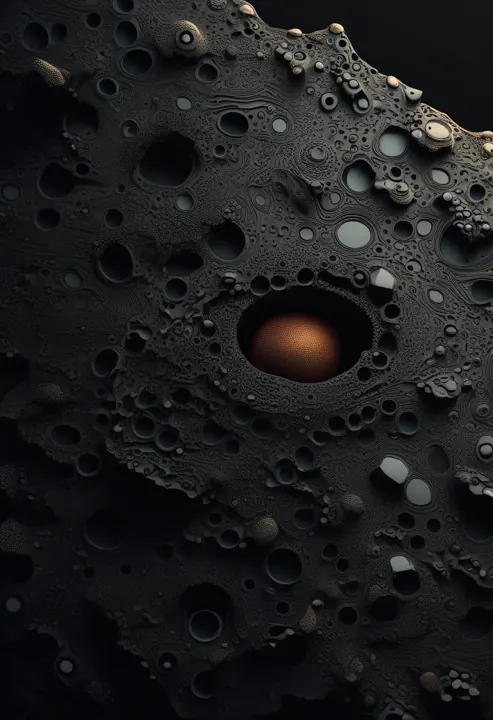
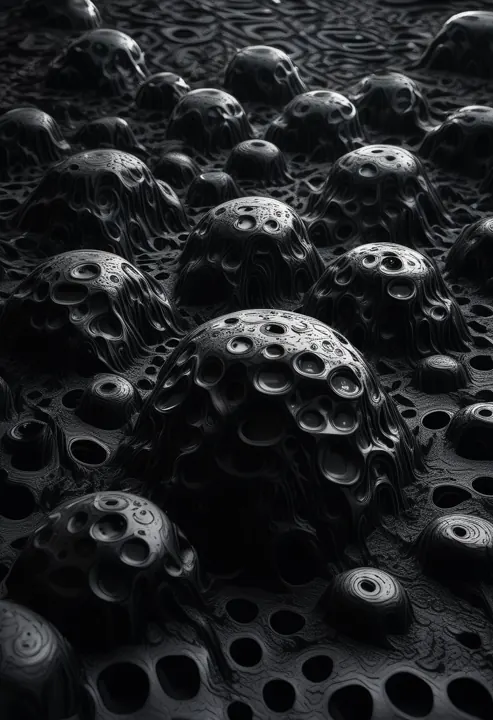
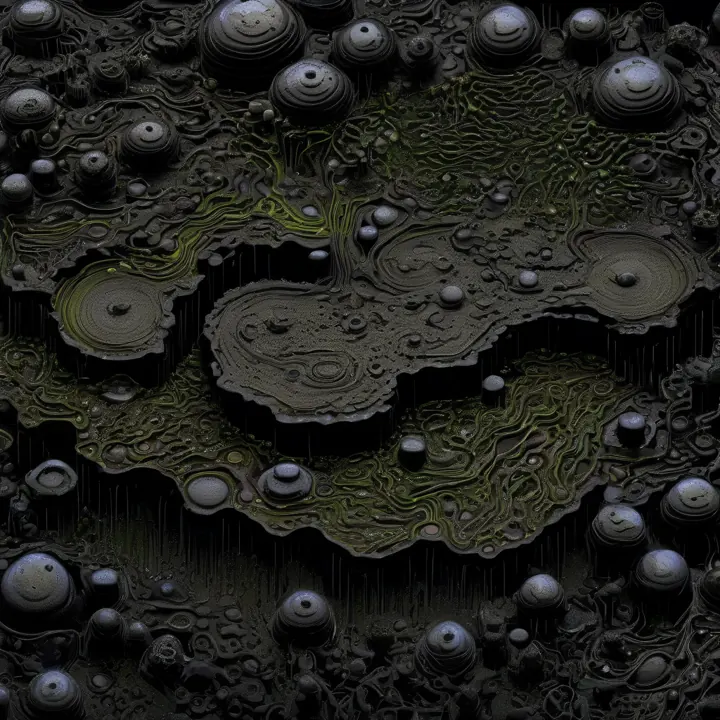
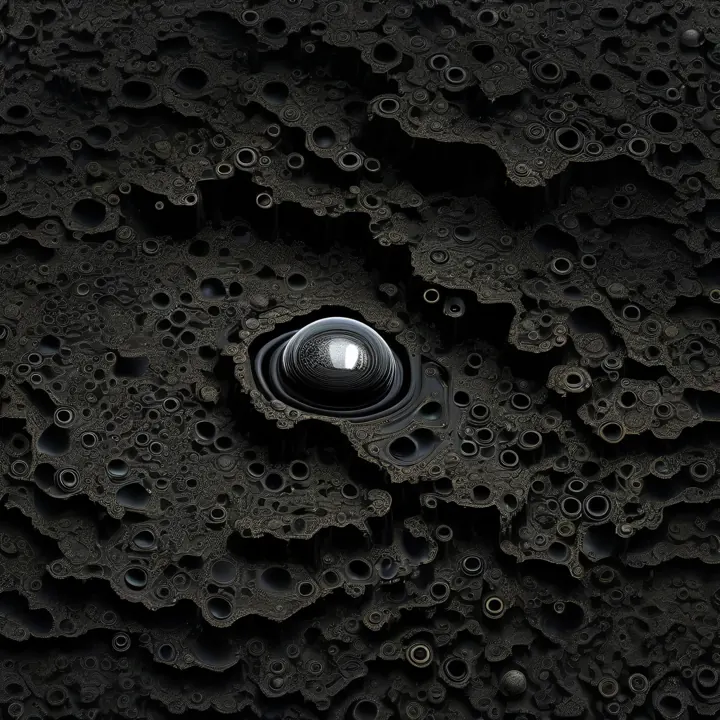
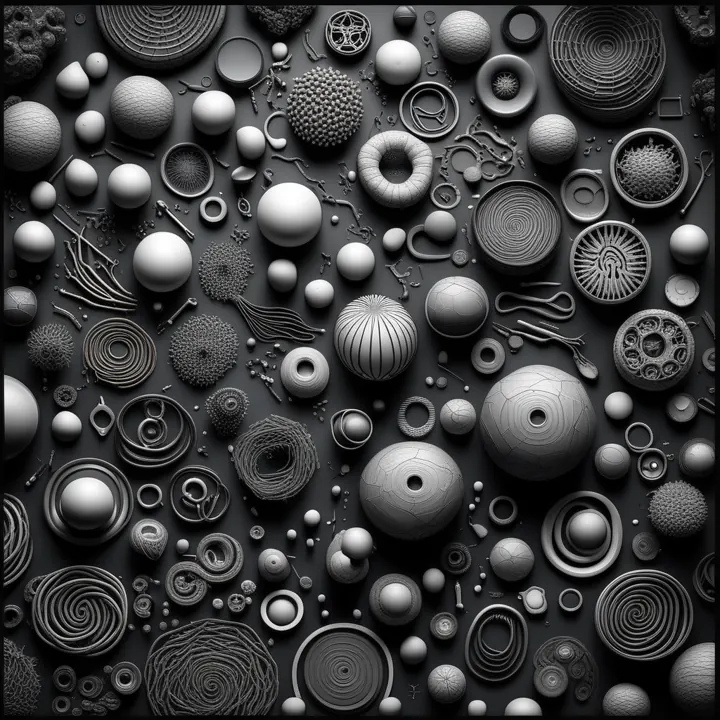
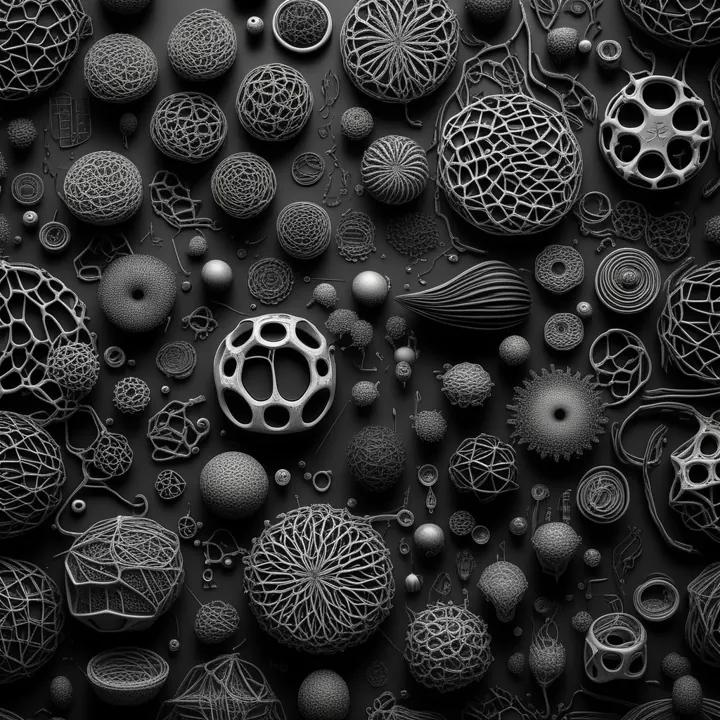
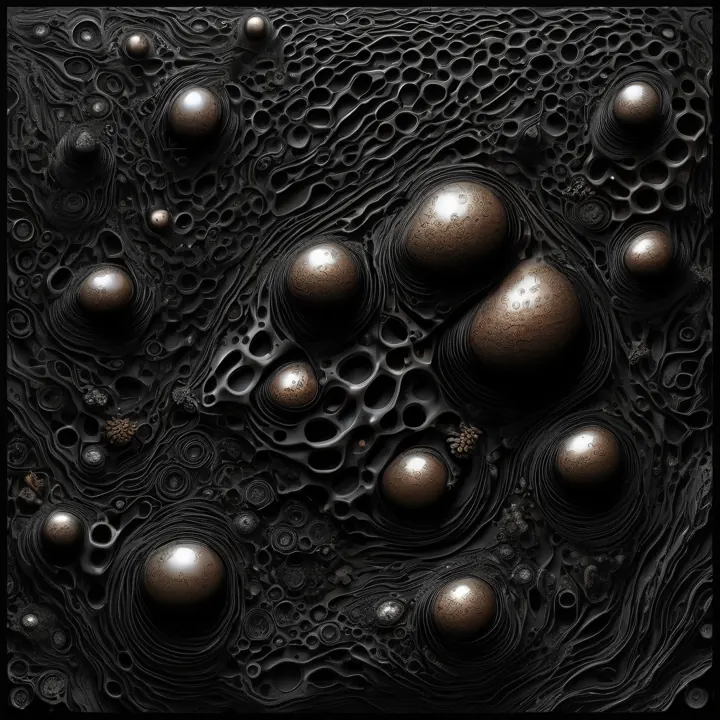
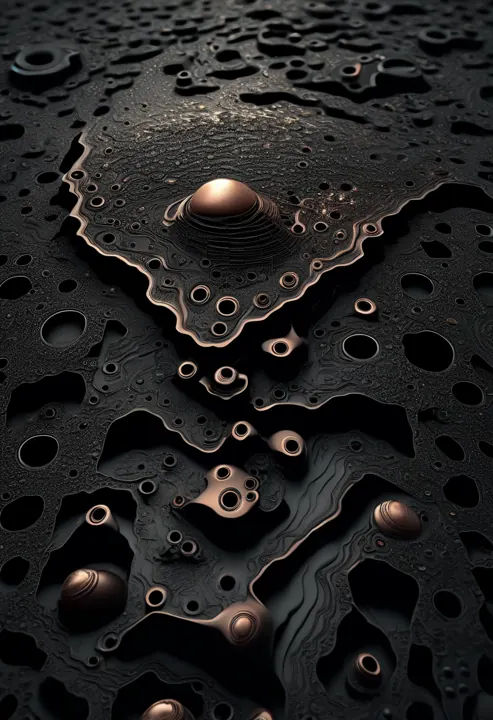
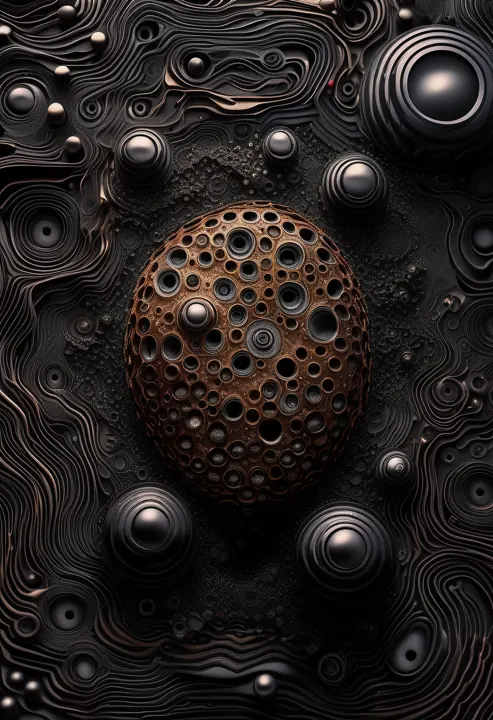
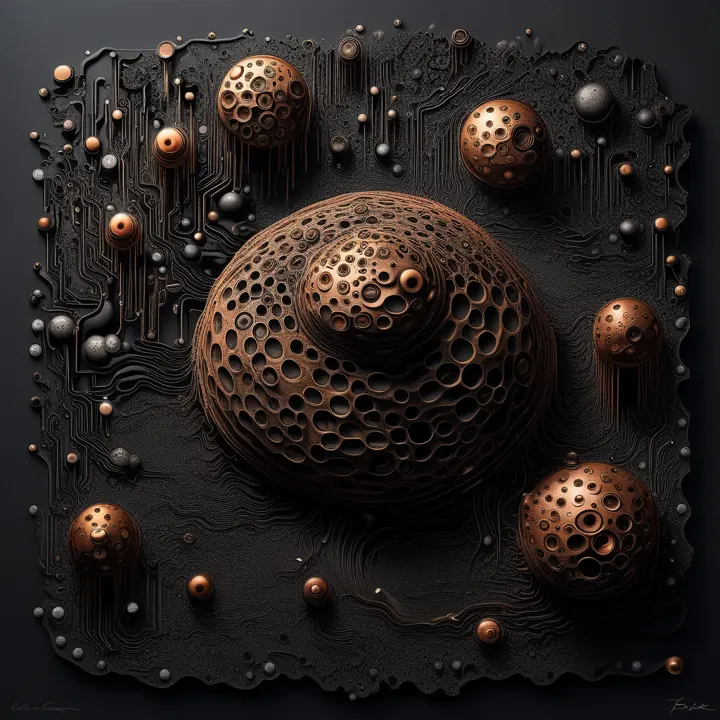
One opening, or a dome that is all openings. The place the gaze goes when it falls.
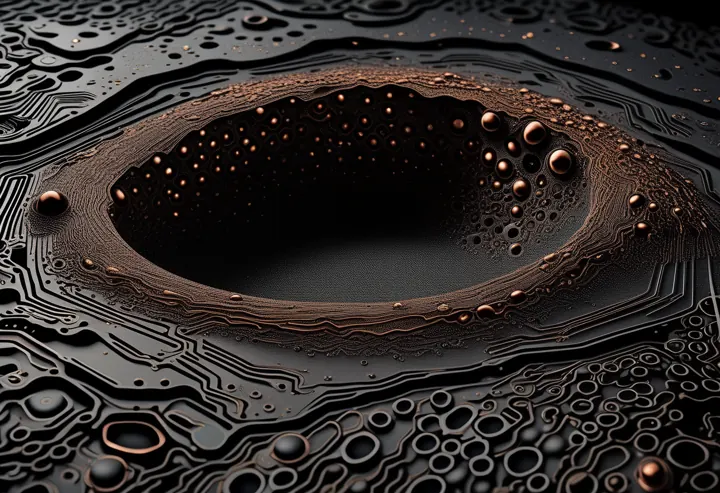
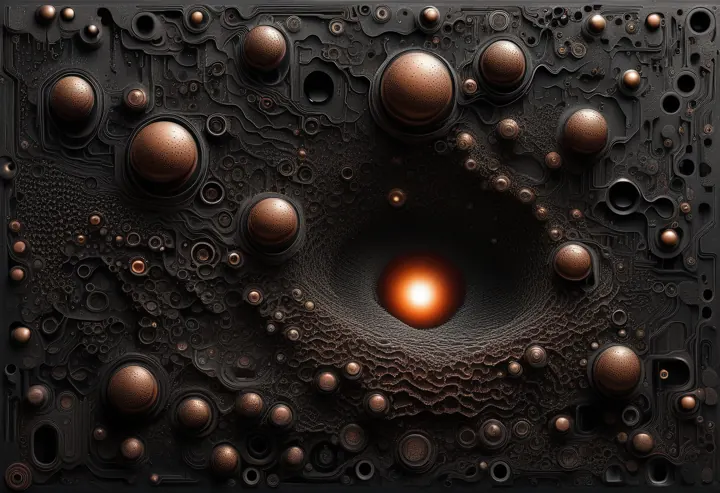
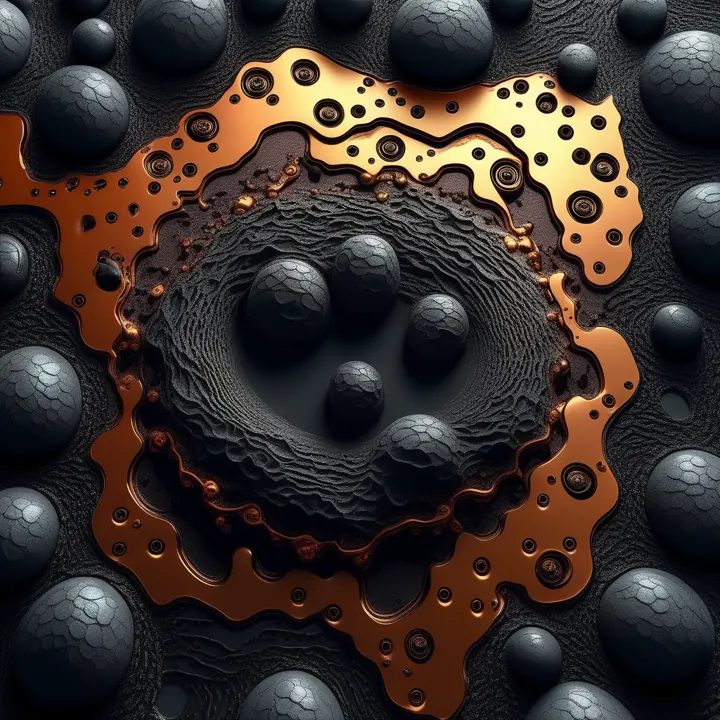
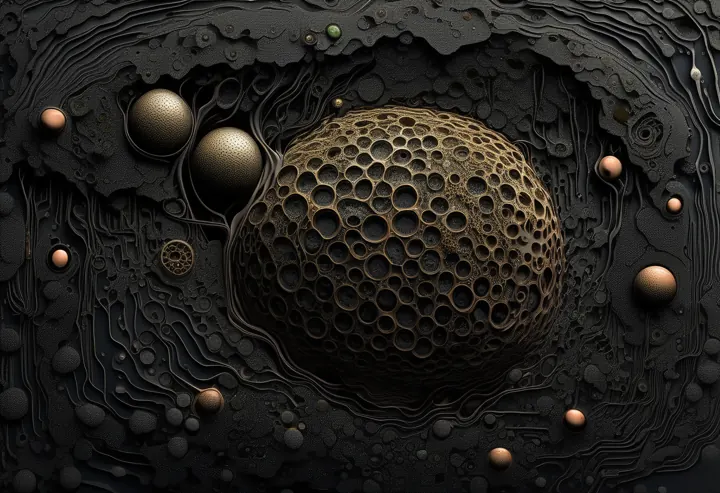
Warm metal leaking through the black. The material remembers being molten.
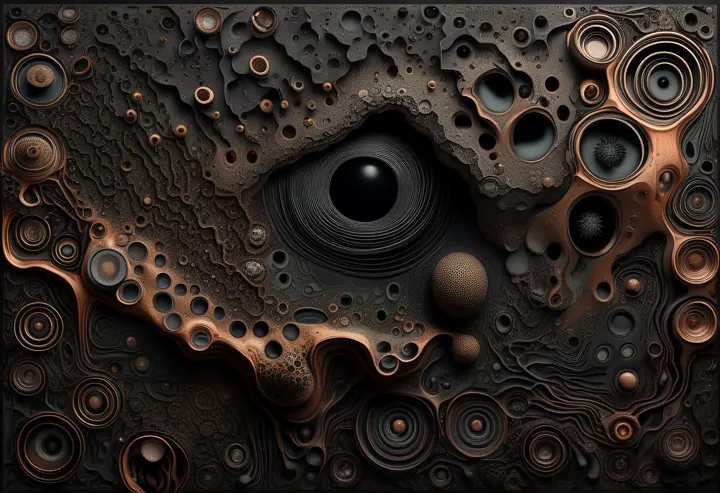
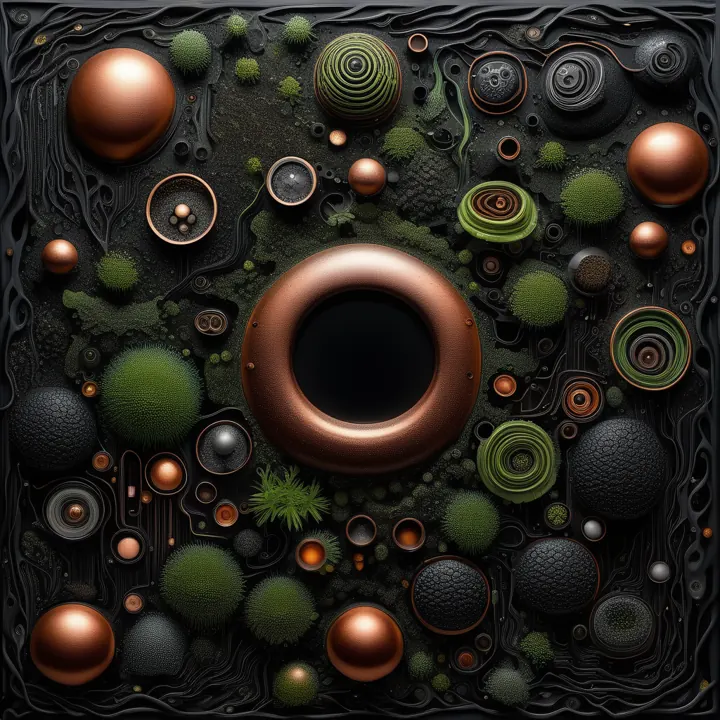
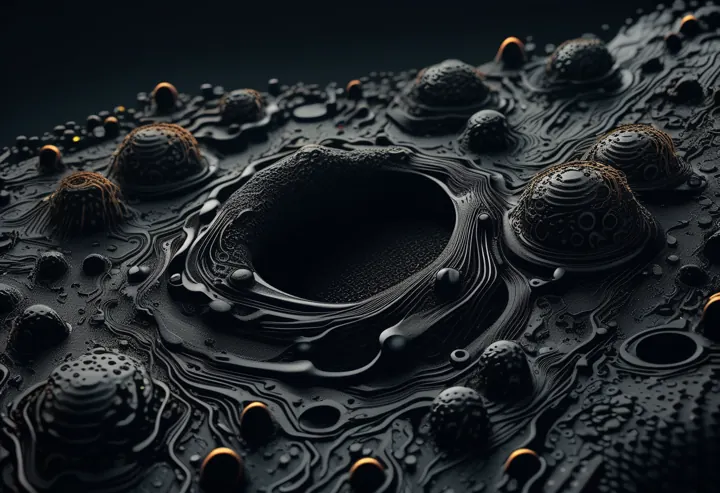
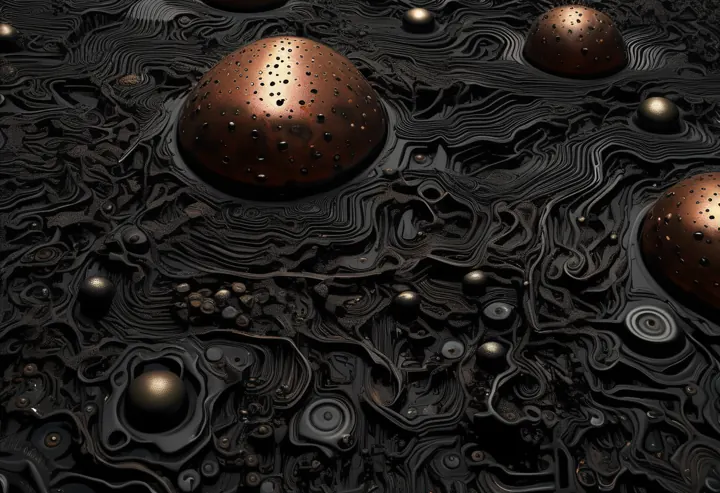
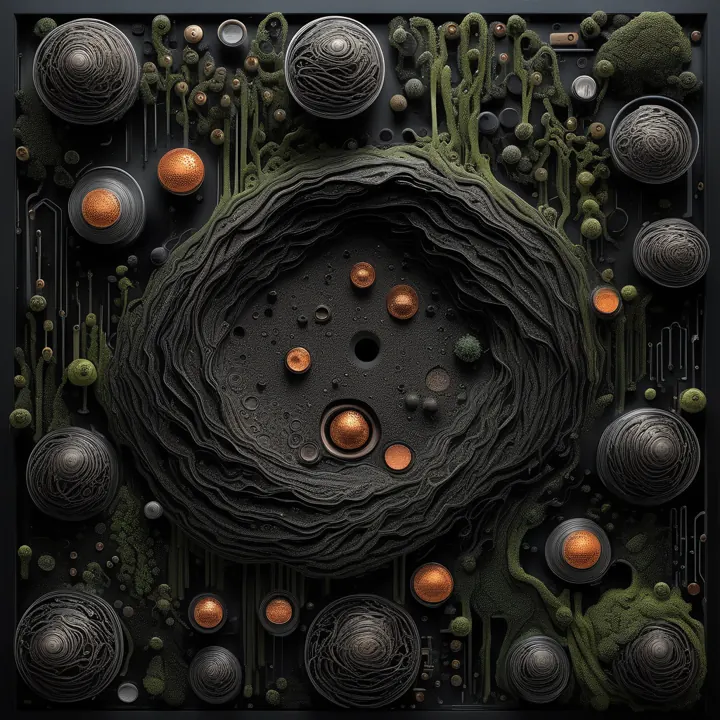
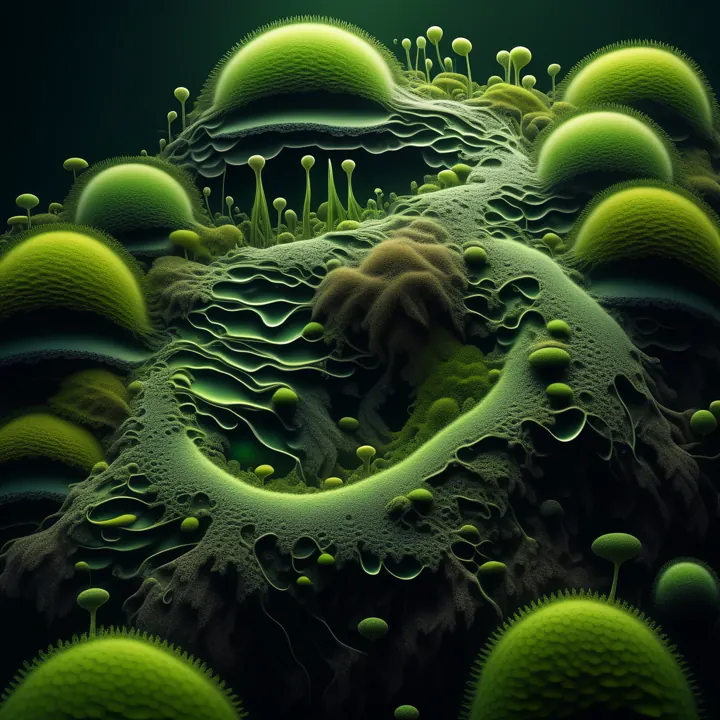
Something has started growing in the holes.
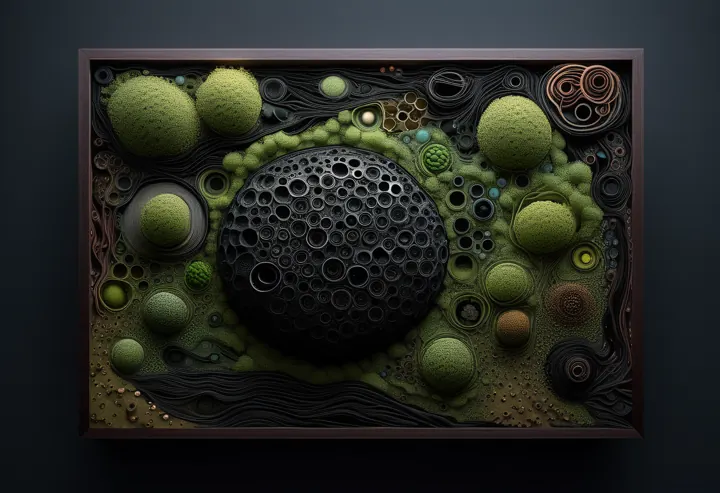
The same surface, bleached. Sugar, plaster, honey, chalk.